
01 / ROOFS & DRAINAGE
Roof Coverings & Rainwater Goods
Cracked or damaged tiles and slates, defective flashings, poorly fitted gutters and other visible roofing defects.
A brand-new home can still have defects and unfinished work. Our independent snagging inspections help identify visible issues and provide a clear photographic report to support discussions with your developer before or after completion.
A snagging survey is a focused inspection of a newly built home, identifying visible defects, damage, poor workmanship and items that appear unfinished. Issues may range from minor cosmetic defects to problems affecting everyday use and weather resistance.
Chant Surveys examines accessible parts of the building internally and externally, with attention to the details that can be missed during construction and finishing. Findings are presented in a clear, illustrated PDF report.
The report can help you raise concerns with your developer, whether an inspection is agreed before legal completion or undertaken after moving in during the relevant defect reporting period.
From roof coverings and external brickwork to internal finishes and fittings, our snagging inspections identify visible defects, poor workmanship and incomplete work that may need to be addressed by your developer.
Cracked or damaged tiles and slates, defective flashings, poorly fitted gutters and other visible roofing defects.
Defective brickwork, poor pointing, damaged cladding, corrosion to exposed lintels and other external workmanship issues.
Defective handles, poorly fitting doors and windows, damaged seals, faulty locks and incomplete fittings.
Visible leaks, poorly fitted pipework, defective sanitary fittings, inadequate sealing and unfinished installation work.
Poor plastering, uneven finishes, damaged surfaces, defective internal doors, skirting boards and other joinery.
Missing components, unfinished installations, damaged fittings and other defects affecting the quality and finish of your new home.
Photographs illustrating defects identified during our snagging inspections.
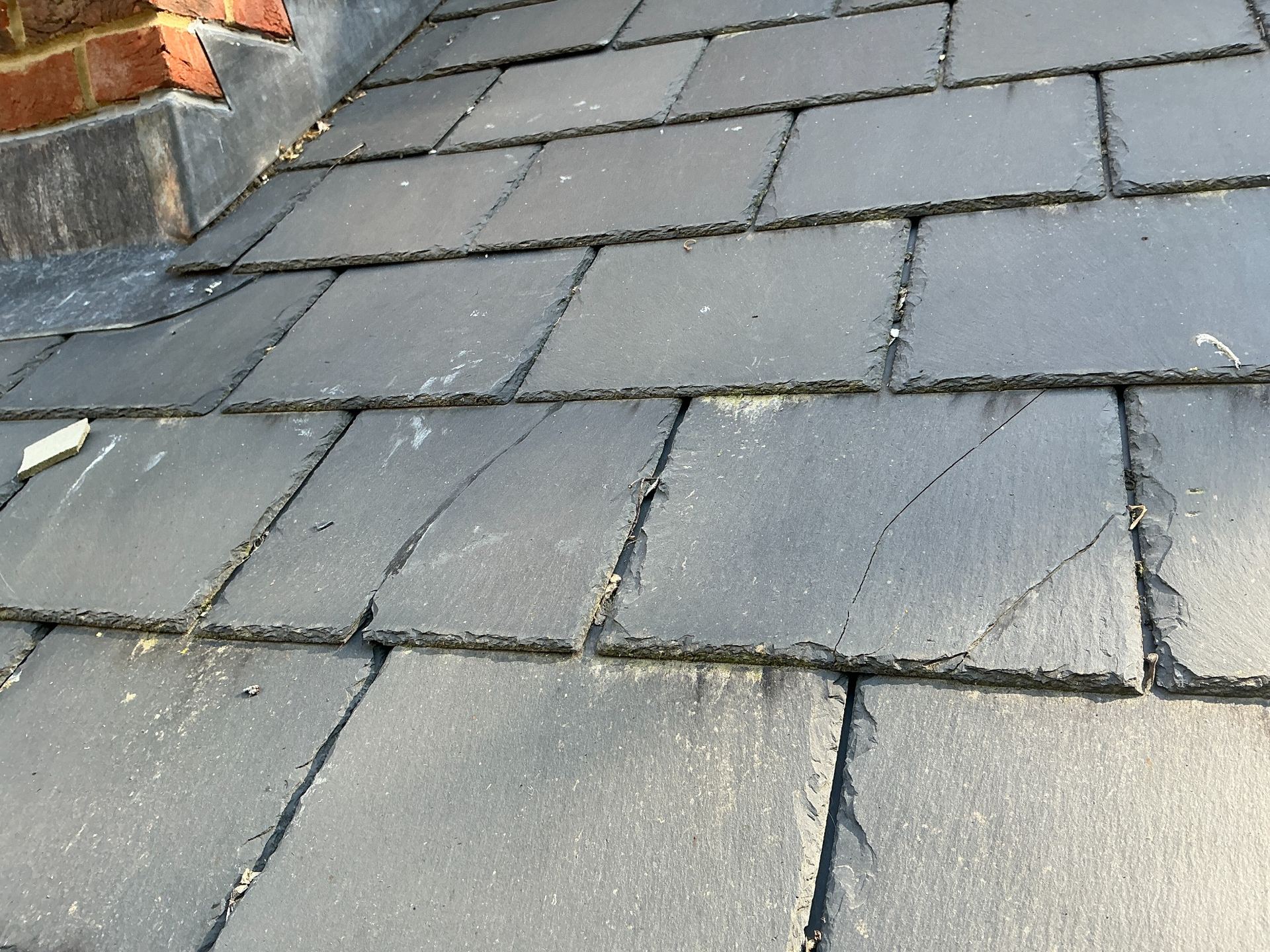
Cracked slates can compromise the weather resistance of the roof, increasing the risk of water ingress.
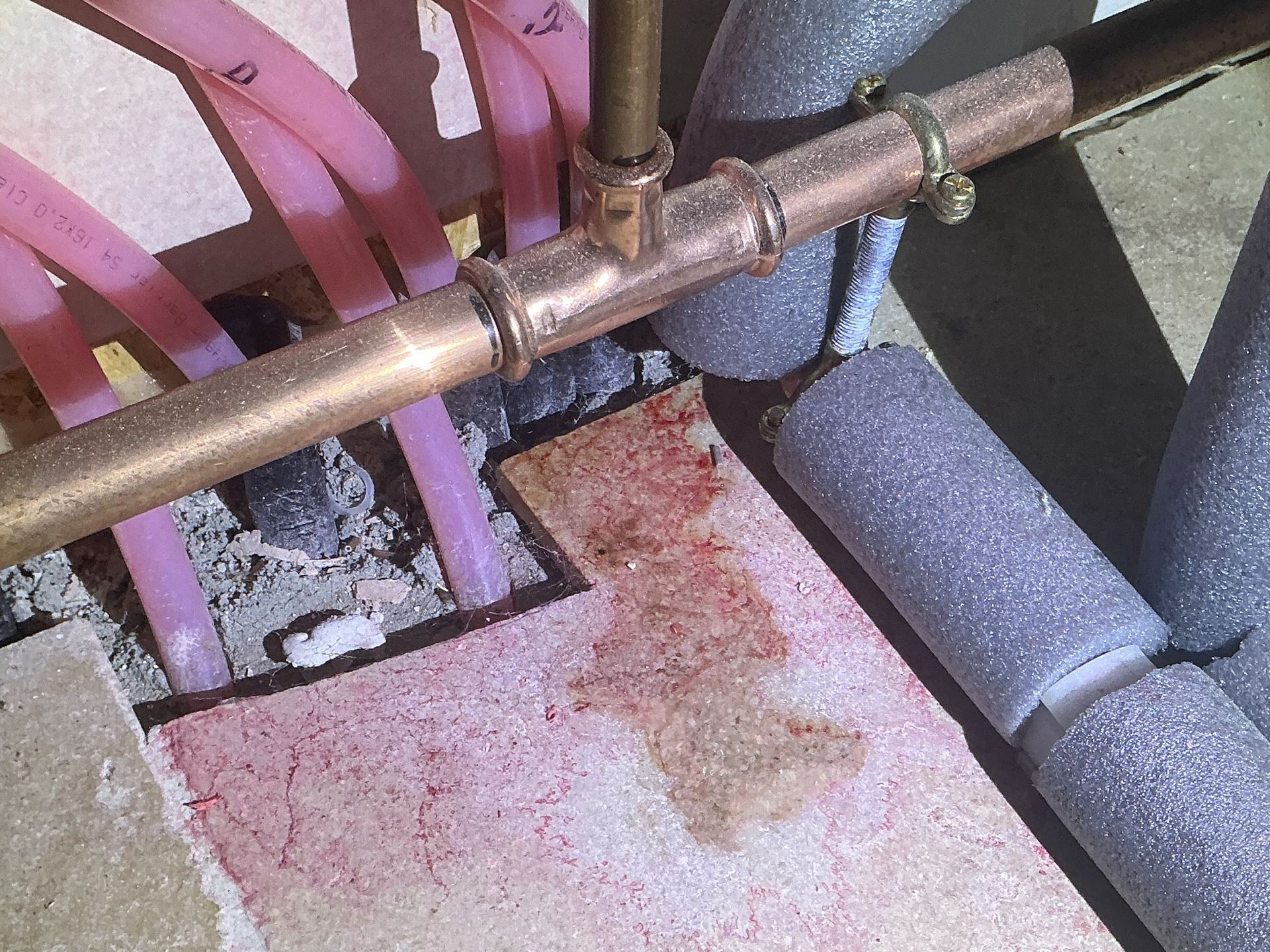
Signs of leakage and water staining around accessible pipework.
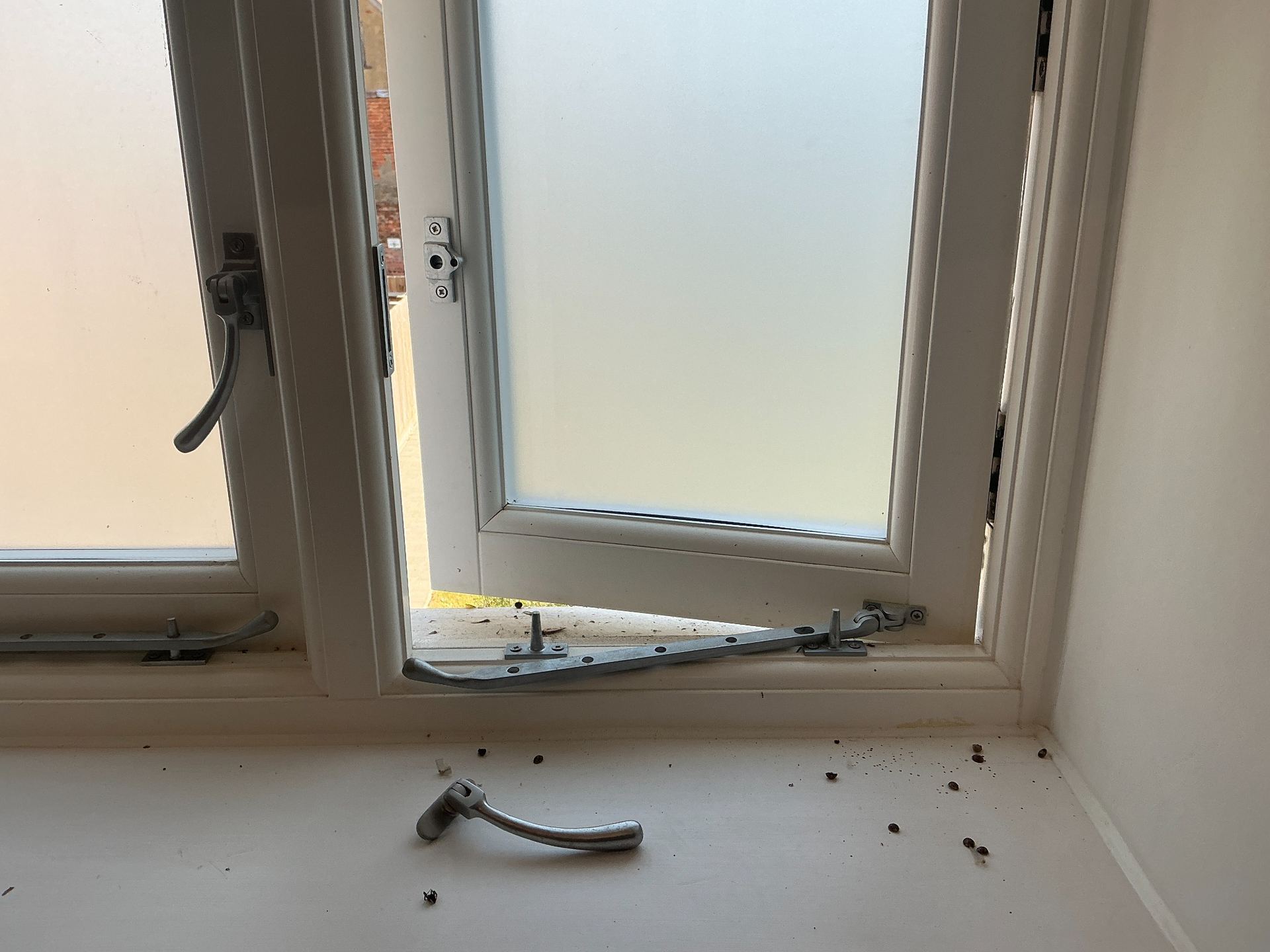
Loose or defective handles can interfere with the normal and secure operation of windows.
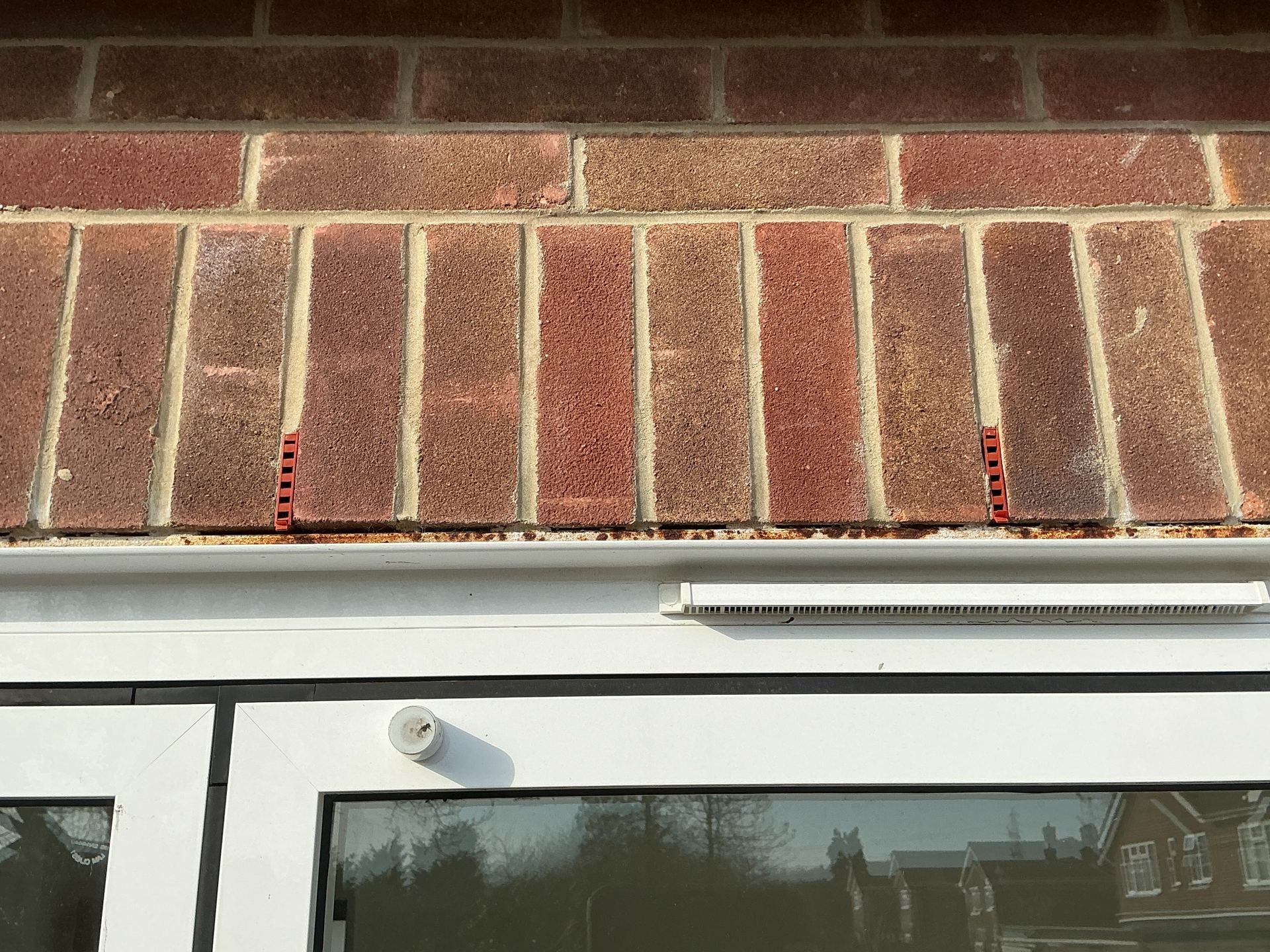
Rust staining and corrosion around exposed metal components can indicate inadequate protection or detailing.
Both inspections can help you identify visible defects and unfinished work. The best timing depends on your purchase stage, the developer's arrangements and the protections applicable to your new home.
A straightforward process — from discussing your new home to receiving a photographic snagging report.
Tell us about the property, its completion stage and any particular concerns. We will agree the scope and suitable access arrangements.
We examine accessible internal and external areas visually, checking for defects, incomplete work and workmanship issues.
You receive an itemised PDF snagging report with relevant photographs and clear descriptions to help you raise issues with the developer.
A clear, independent assessment from an experienced residential surveyor, supported by photographs and practical explanations.
Residential surveying expertise helps put workmanship concerns and visible defects into context.
Advice focused on the condition and finish of your new home, not on selling repair or finishing works.
An organised report that explains the issues found so you can communicate effectively with your developer.
Where your purchase is covered by the New Homes Quality Code, we generally recommend a pre-completion inspection in the permitted inspection window. If this is not possible, a snagging survey soon after handover can still help you identify and report defects promptly.
Yes, where suitable access can be arranged. Under the New Homes Quality Code, participating developers must allow eligible buyers to appoint a suitably qualified inspector for a pre-completion inspection within the specified period. The prescribed checklist and site safety requirements apply. We can discuss the inspection scope and timing before booking.
Visible defects may include damaged finishes, cracked tiles or slates, poorly fitted windows and doors, leaks to accessible pipework, incomplete work or untidy workmanship. The findings depend on the individual property.
Yes. You receive an illustrated PDF report identifying the observed defects and unfinished items, which you can use when requesting the developer to address them.
No. A snagging survey focuses on visible defects, workmanship and incomplete work in a new home. It does not replace a wider home survey where that is appropriate.
The inspection is visual and non-invasive, subject to safe access. Concealed areas are not opened up, and mechanical, electrical, gas and other services are not formally tested.
The report provides evidence of visible defects and incomplete work to help you raise concerns. Whether a particular item must be remedied depends on the developer's obligations, applicable standards, the contract and warranty or after-sales arrangements. The inspection cannot guarantee acceptance or rectification of every item.
Our independent inspections identify visible defects and unfinished work, providing a clear photographic report to help you raise concerns with your developer whilst relevant after sales or warranty arrangements apply.


